First 24 Hours After a Flood in St. Petersburg
St. Petersburg, FL, USA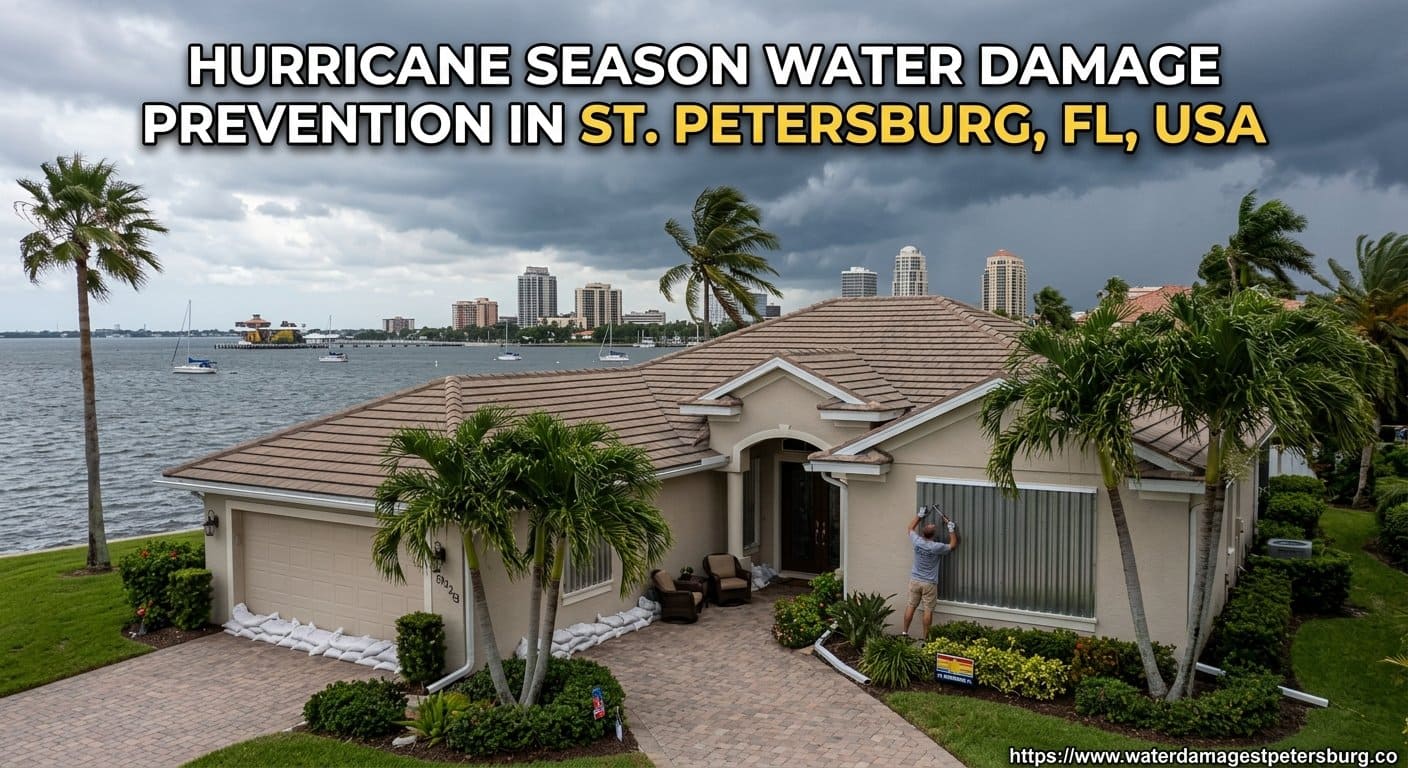
- UAC Water Damage St. Petersburg
Hurricane Season Water Damage Prevention in St. Petersburg, FL, USA
St. Petersburg sits between Tampa Bay and the Gulf with humid air, intense summer rains, and a long Atlantic hurricane season. Water damage here often starts with wind driven rain, clogged drains, and surge that reaches ground floors faster than many owners expect.
This guide walks through practical prevention steps for homes in Old Northeast, Snell Isle, Shore Acres, Downtown, Kenwood, and Tyrone. It also explains when to shift from prep to professional emergency water damage response. For help anytime, call (727) 865-4384.
Why St. Petersburg Homes Face Extra Storm Water Risk
Bay breezes keep outdoor humidity high for much of the year. When a tropical system approaches, that moisture combines with hours of rain and gusts that push water under door thresholds and through aging window seals. Historic bungalows in Kenwood and older cottages near Downtown often have lower first floors and crawl spaces that hold damp air after a storm.
Snell Isle and Shore Acres sit closer to open water. Even a moderate surge can leave salt and sediment on porches, garages, and landscaping beds that drain toward the foundation. Old Northeast blocks near Coffee Pot Bayou can see street ponding when storm drains choke on leaves. Tyrone and inland neighborhoods still take heavy bands of rain that overload gutters and roof valleys.
Prevention is not about eliminating every risk. It is about cutting the chance that rain or surge becomes a multi room drying project. UAC Water Damage St. Petersburg sees the same patterns every season: small roof leaks that soak insulation, patio doors that wick water onto wood floors, and unfinished basements or utility rooms that stay wet long after skies clear.
Start With a Roof and Flashing Check
Most storm water that enters St. Petersburg homes comes from above. Walk the property after a calm day and look for loose shingles, lifted tiles, cracked ridge caps, and soft spots near skylights. Pay attention to valleys where two roof planes meet, because debris and water collect there during long rain bands.
Gutters, downspouts, and splash blocks
Clean gutters before peak season and again mid season if oaks and palms drop litter. Downspouts should carry water several feet from the foundation. Splash blocks help, but buried extensions or properly graded landscaping work better for clay and sandy soils common across Pinellas lots. A downspout that dumps against a slab edge can drive water under baseboards during a single overnight storm.
Attic and soffit protection
From inside the attic, look for daylight at eaves, damp insulation, and rusted nail tips. Wind driven rain can enter through gable vents and damaged soffits. Sealing obvious gaps and confirming insulation is dry before a named storm arrives reduces the chance of a silent ceiling leak that appears days later.
If you already see staining on ceilings in Old Northeast or Downtown after routine summer storms, fix that path before hurricane season intensifies. Small leaks become major ceiling collapses when a tropical system sits over the bay for a day.
UAC Water Damage St. PetersburgSecure Doors, Windows, and Ground Floor Entries
Sliding glass doors facing the bay or a canal take a beating from wind driven rain. Check weatherstripping, sill height, and exterior drains at patio thresholds. On Snell Isle and Shore Acres homes with lanais, make sure screening and enclosure tracks do not trap water against the main living room door.
Replace brittle caulk around windows before storms. Older wood frames in Kenwood and historic cottages near Downtown shrink and open hairline gaps. Hurricane shutters or impact windows help with wind, but they do not replace sealing. Water still finds the path of least resistance around frames when pressure changes during a squall line.
Garage doors are another weak point. Seal thresholds where possible and keep stored cardboard and soft goods elevated. A few inches of water can ruin boxes of photos and create a mold problem in a weekend of bay humidity. When water does enter living space, our water damage restoration crews focus on extraction and structural drying before finishes swell.
Grade, Drainage, and Local Flood Patterns
Walk your lot after a normal afternoon thunderstorm. Note where water pools near the slab, AC pad, or sidewalk. Soft soil against the foundation after every rain is a warning. Regrade if soil has settled, and keep flower beds from creating dams against the wall.
Shore Acres and parts of Old Northeast sometimes see street water that backs toward driveways. Know your home’s elevation relative to the curb. Keep storm drain inlets clear of palm fronds before a system arrives. Downtown condo and townhome owners should confirm that shared drains and parking levels are maintained, because shared systems fail under peak flow.
Sump, check valves, and appliances
If you have a sump pump or backflow prevention device, test it early. Replace batteries on backup systems. Elevate washers and water heaters where practical, and know how to shut off the main water supply. Storms can also knock out power and cause secondary leaks when supply lines or soft connections fail after pressure changes.
Prepare an Indoor Storm Kit for Water Events
Keep plastic sheeting, towels, a wet dry vacuum if you own one, flashlights, and a camera ready. Photograph rooms before season peaks so you have a baseline for insurance. Store important documents in waterproof containers on upper shelves. Move electronics off the floor in rooms that have flooded before.
Have the UAC Water Damage St. Petersburg number saved: (727) 865-4384. Cell service can be spotty after a landfall, so write the number on paper as well. We respond 24/7 across St. Petersburg, FL, USA for extraction, drying, and coordination with flood restoration when surge or street flooding enters the structure.
Neighborhood Notes Across St. Petersburg
Old Northeast and Downtown
Tree canopy is beautiful and also drops debris that clogs gutters. Brick streets and older plumbing add complexity. Focus on roof maintenance, window seals, and keeping crawl space vents from drawing in driven rain.
Snell Isle and Shore Acres
Plan for surge and high water tables. Elevate valuables, review flood insurance coverage, and stage sandbags only where recommended for your lot. After water recedes, call for professional drying even if floors look only slightly damp. Salt water and contaminated flood water need careful cleanup.
Kenwood and Tyrone
Many homes here are mid century or bungalow style with lower profiles. Roof valleys, attached carports, and screened porches are frequent leak points. Inland flooding is less about open bay surge and more about prolonged rain saturating soils and overwhelming drains.
After the Storm: Act Before Humidity Takes Over
Once it is safe to reenter, stop active water sources if you can. Document damage with photos and short videos. Open windows only when outdoor humidity is not extreme and the structure is secure. Remove wet rugs and soft goods from floors. Do not wait days to dry wall cavities and under cabinets. Bay air keeps moisture high, which is why mold can appear quickly after a leak. Read our companion guide on mold after water damage for warning signs.
Professional crews measure moisture in wood and drywall, set containment when needed, and run equipment that pulls water from materials instead of only from the surface. That step is the difference between a short repair and a rebuilt kitchen. If flood water entered from outside, treat it as a category that may require more than a household mop. Our team can guide you through the first 24 hours after a flood and full restoration.
Prevention Checklist Before Peak Season
- Inspect roof, flashing, and attic for prior staining.
- Clear gutters and extend downspouts away from the slab.
- Reseal windows, doors, and patio thresholds.
- Grade soil so water drains away from the foundation.
- Test sump and backflow devices where installed.
- Elevate storage in garages and ground floor closets.
- Save (727) 865-4384 for 24/7 emergency drying.
- Review flood and homeowners policy details for St. Petersburg, FL.
When Prevention Is Not Enough
Even well prepared homes take water when a system stalls over Tampa Bay. If you see standing water, wet ceilings, or a musty smell after a storm, call promptly. Fast emergency water damage service limits swelling, cupping floors, and hidden mold behind baseboards.
UAC Water Damage St. Petersburg serves residential and commercial properties throughout St. Petersburg, FL, USA. We focus on extraction, structural drying, flood cleanup, and coordination with mold remediation when growth appears. Reach us at (727) 865-4384 or visit our contact page for next steps.
Frequently Asked Questions
When should I start hurricane water damage prep?
Begin early in the season and refresh before peak months. Roofers and contractors book quickly once a named storm forms. Early prep also gives you time to fix flashing and drainage without racing a forecast.
Does flood insurance cover rain that enters through a roof?
Policies differ. Rain through a damaged roof is often a homeowners claim, while rising water from outside may fall under flood coverage. Document everything and ask your carrier. Our team can help document moisture levels and damage for adjusters.
How fast should drying start after storm water enters?
As soon as it is safe. In St. Petersburg humidity, waiting even a couple of days raises mold risk on porous materials. Call (727) 865-4384 for 24/7 response.
Need Help Now?
Storm water in your St. Petersburg home? We are available 24/7.
Call (727) 865-4384Popular Posts
Our Services
Tags
Storm Water in Your Home?
Call UAC Water Damage St. Petersburg for 24/7 extraction and drying across St. Petersburg, FL, USA.